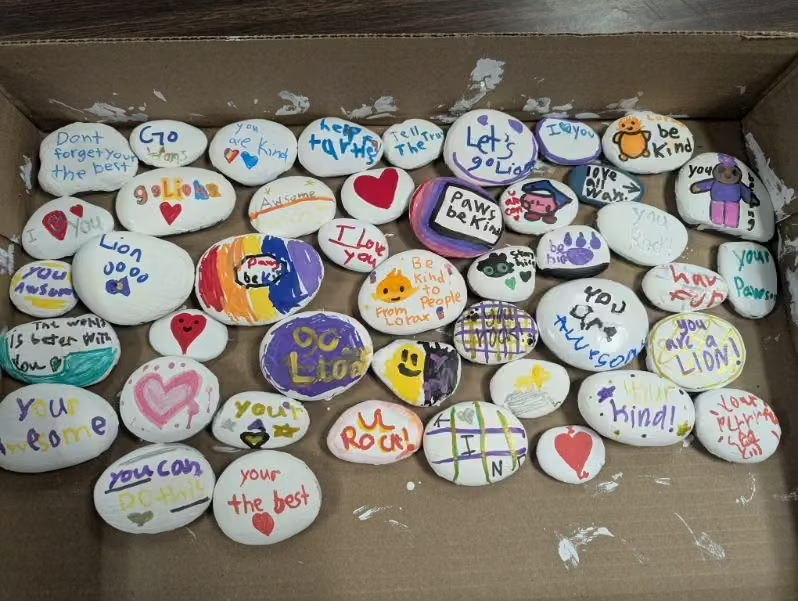
Students decorated “Kindness Rocks” as part of a school activity in Concrete.
The youngest members of the school community now have access to support and resources to help them make healthy choices and succeed in school, thanks to a new program at the Northwest Educational Service District 189 (NWESD).
For 25 years, NWESD has partnered with school districts to bring Student Assistance Professionals (SAPs) to middle school and high school students across the region. Now, NWESD is expanding that work to younger students through a new Elementary Student Assistance Professional (e-SAP) program, bringing prevention education and early intervention into elementary schools.
The e-SAP program places trained Student Assistance Professionals directly in elementary schools to support students in kindergarten through sixth grade, with a focus on early prevention and skill-building.
“Elementary is where prevention begins,” said Tabitha Studinarz-Walter, a Student Assistance Professional in the Concrete School District. “Working together with students to help them build skills in emotional regulation, communication, and conflict resolution builds a stronger, healthier community for all of us, and I am truly proud to be a part of it.”
The e-SAP program is currently implemented at Oak Harbor Intermediate School and Concrete Elementary School. The program began at Concrete during the 2023-24 school year and expanded to Oak Harbor in 2024-25. Each year, e-SAPs serve more than 30 students through individual and small-group activities, as well as school prevention initiatives that reach more than 1,300 students each year. These activities include schoolwide initiatives, age-appropriate prevention clubs, wellness groups, and Sources of Strength Suicide Prevention programming.
“Having an SAP at Concrete Elementary has helped change the culture for the better at our school,” Concrete Elementary School Principal Jennifer Henderson said. “I couldn’t be more in support of having an SAP to help grow and empower our students.”
By working with students, families, and schools, Elementary SAPs help children build skills that support healthy decision-making, self-control, communication, conflict resolution and positive relationships at home, in school and within the community. With this support, students are better able to manage anxiety, stress, family and peer substance misuse, and manage relationships, emotions, and overall well-being. These foundational skills strengthen protective factors that reduce risks later in adolescence and make future intervention more effective.
To learn more about the e-SAP program, contact Chris Jury, Prevention Intervention Program Manager, at cjury@nwesd.org, or visit the NWESD SAP website.
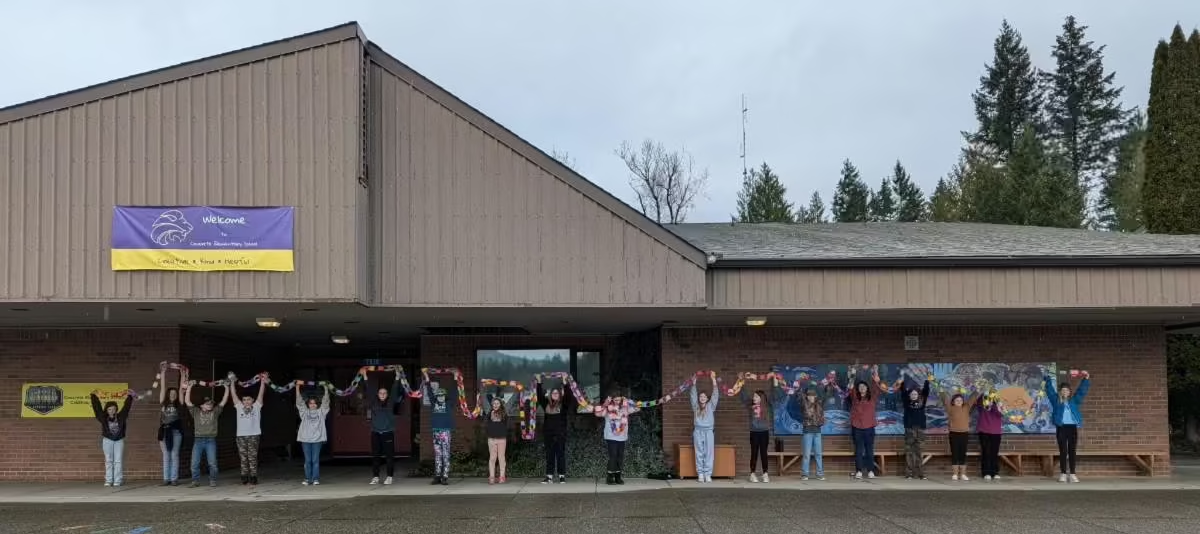
As a kindness activity, elementary and middle school students in Concrete wrote nice messages on paper strips and used them to make a paper chain.