
CTE Dual Credit Expansion Proviso
In partnership with the State Board for Community and Technical Colleges (SBCTC), Career Connect NW hosted at the NWESD 189 is leading a regional effort to expand access to Career and Technical Education (CTE) dual credit for high school students.
What is CTE Dual Credit?
Career and Technical Education (CTE) Dual Credit allows high school students to earn both high school and college credit at the same time for completing approved CTE courses. These courses are aligned with programs offered at Washington’s community and technical colleges and are designed to give students a jump-start on career pathways in fields like healthcare, information technology, manufacturing, agriculture, business, and more.
Funded through 2SHB 1273, this proviso aims to make it easier for students to earn college credit in high school by improving how CTE courses are aligned, articulated, and transcribed across K–12 and community college systems.
For detailed information, updates, and progress on this work, check out the CTE Dual Credit Legislative Reports:
Why It Matters
CTE Dual Credit is important because it:
- Saves students time and money by reducing the number of college courses they need to take after high school.
- Increases access to postsecondary education, especially for students who may not see college as an option.
- Builds momentum toward careers, helping students earn certificates or degrees faster.
- Strengthens high school-to-college connections, aligning coursework and expectations between systems.
- Supports workforce development by helping students enter high-demand career fields with recognized skills and credentials.
By making college credit more accessible in high school, CTE Dual Credit helps students stay engaged, on track, and better prepared for both college and career.
What We’re Working On
Over the course of this proviso, partners will work together to:
- Expand Access to high-quality, articulated CTE dual credit across the region.
- Align Courses between high schools and colleges to ensure students earn meaningful credit.
- Create a Regional CTE Dual Credit Database so educators, students, and their families can easily see available CTE dual credit opportunities offered in the region.
- Develop Advising Supports through tools, family events, and professional development.
- Improve Systems for data sharing, credit transcription, and communication.
2025-2026 CTE Dual Credit Proviso Partners
- Bellingham Technical College (BTC) | Everett Community College (EvCC) | Skagit Valley College (SVC) | Whatcom Community College (WCC)
- Regional high schools and districts, industry and workforce partners




Together, we’re building a more equitable and transparent system to help more students graduate high school with a head start on college and career.
Regional CTE Dual Credit Database
One outcome from the CTE Dual Credit Proviso is the creation of the Regional CTE Dual Credit Database, launched in July 2026. The database is a shared platform that lists high school courses available for articulation with postsecondary institutions in the region. This technical tool serves as a centralized resource for educators, administrators, advisors, teachers, counselors, students, and their families. Learn more and access the Regional CTE Dual Credit Database.
Check out our recent blogs below!
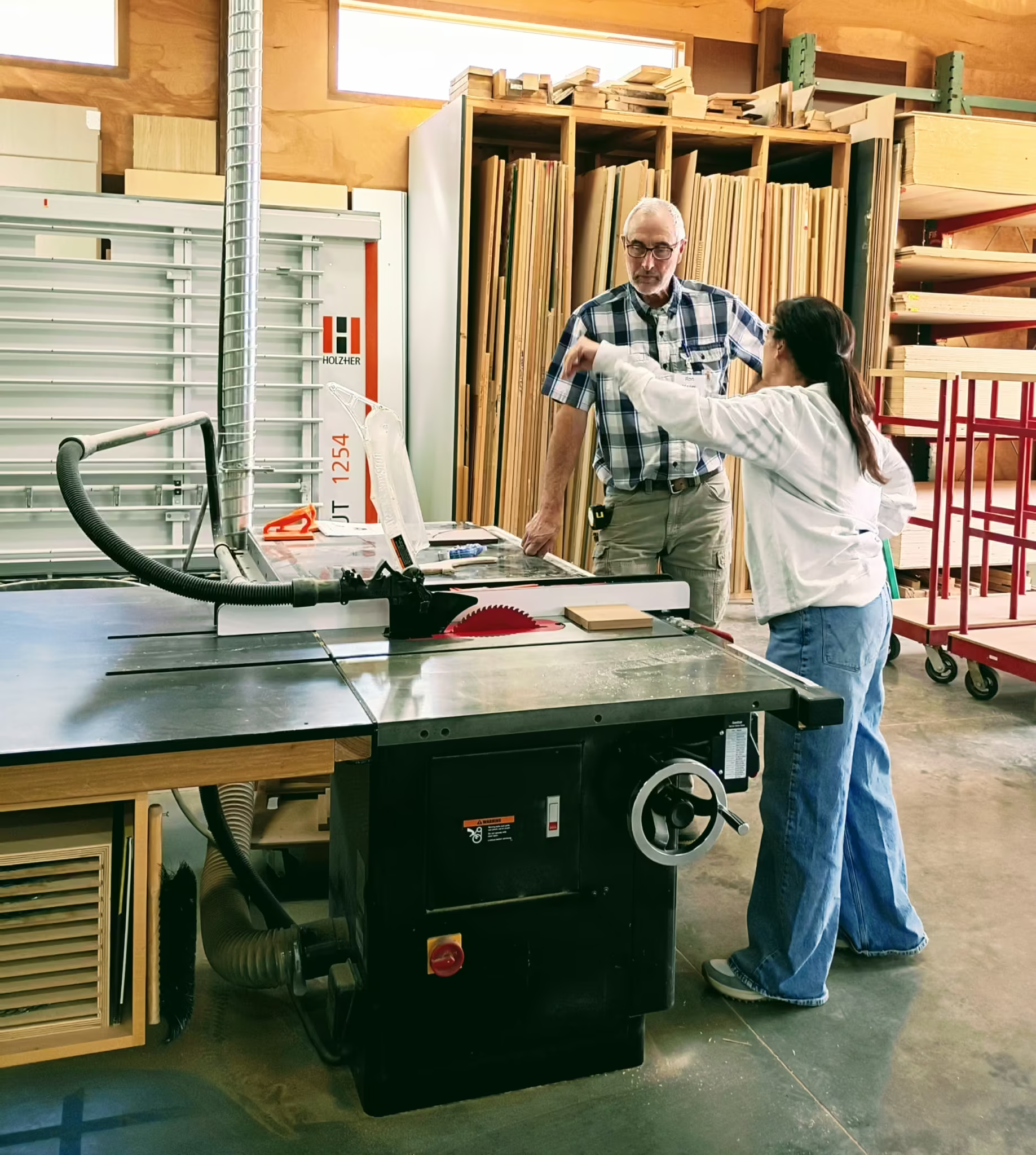
From Welding to Woodworking: Learning together about shop safety
Kelcey Archambault from Hypertherm in the shop walk-through talking about welding screen transparency options in the Lynden High School Welding Shop. Sometimes finding answers to creating safer [...]
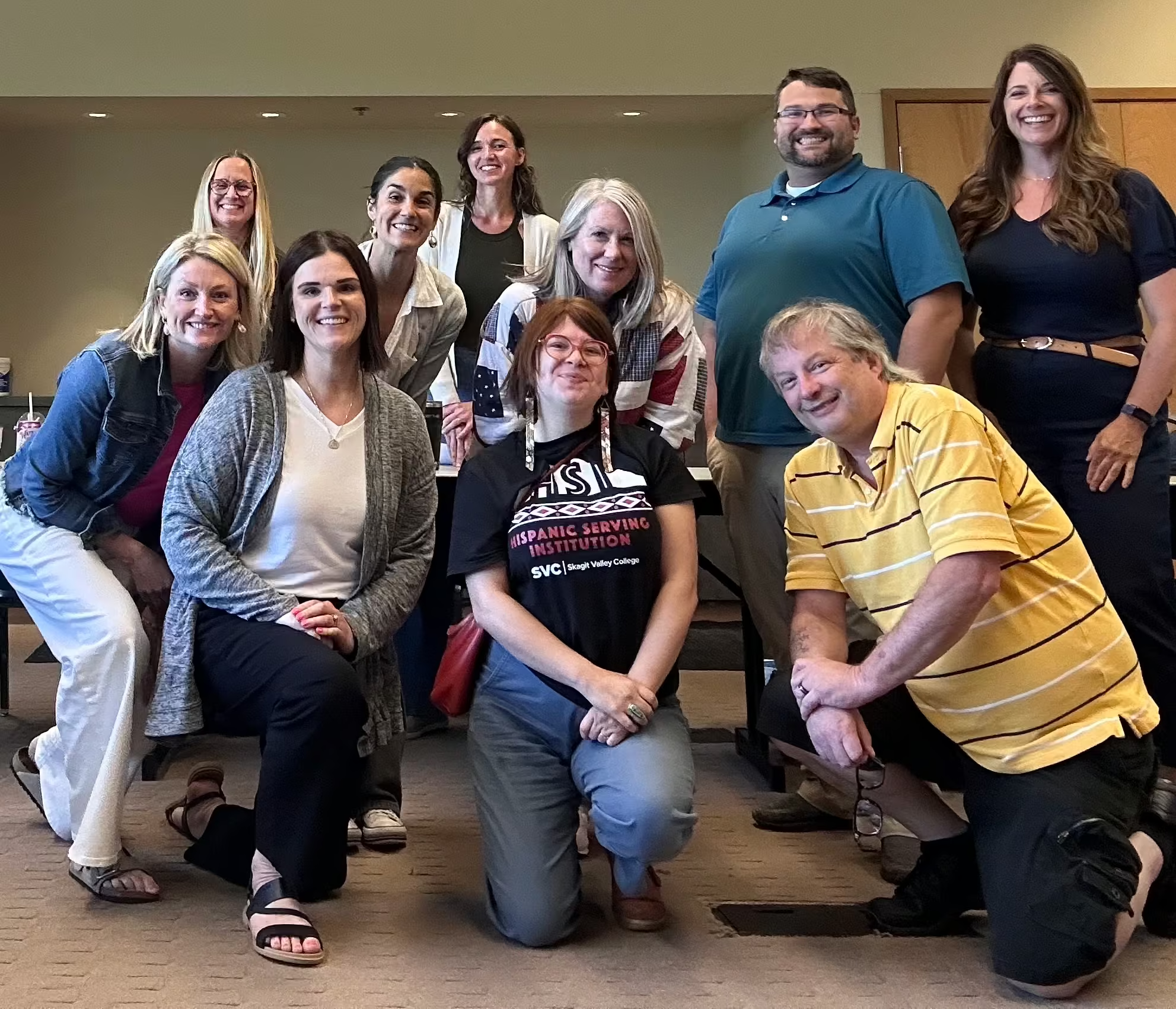
CTE Dual Credit Partners Advance Regional Alignment at Summer Convening
Kimberly Ingram from Washington State Board for Community and Technical Colleges (SBCTC) facilitates process mapping with the CTE Dual Credit Proviso group at the Summer 2026 convening. [...]
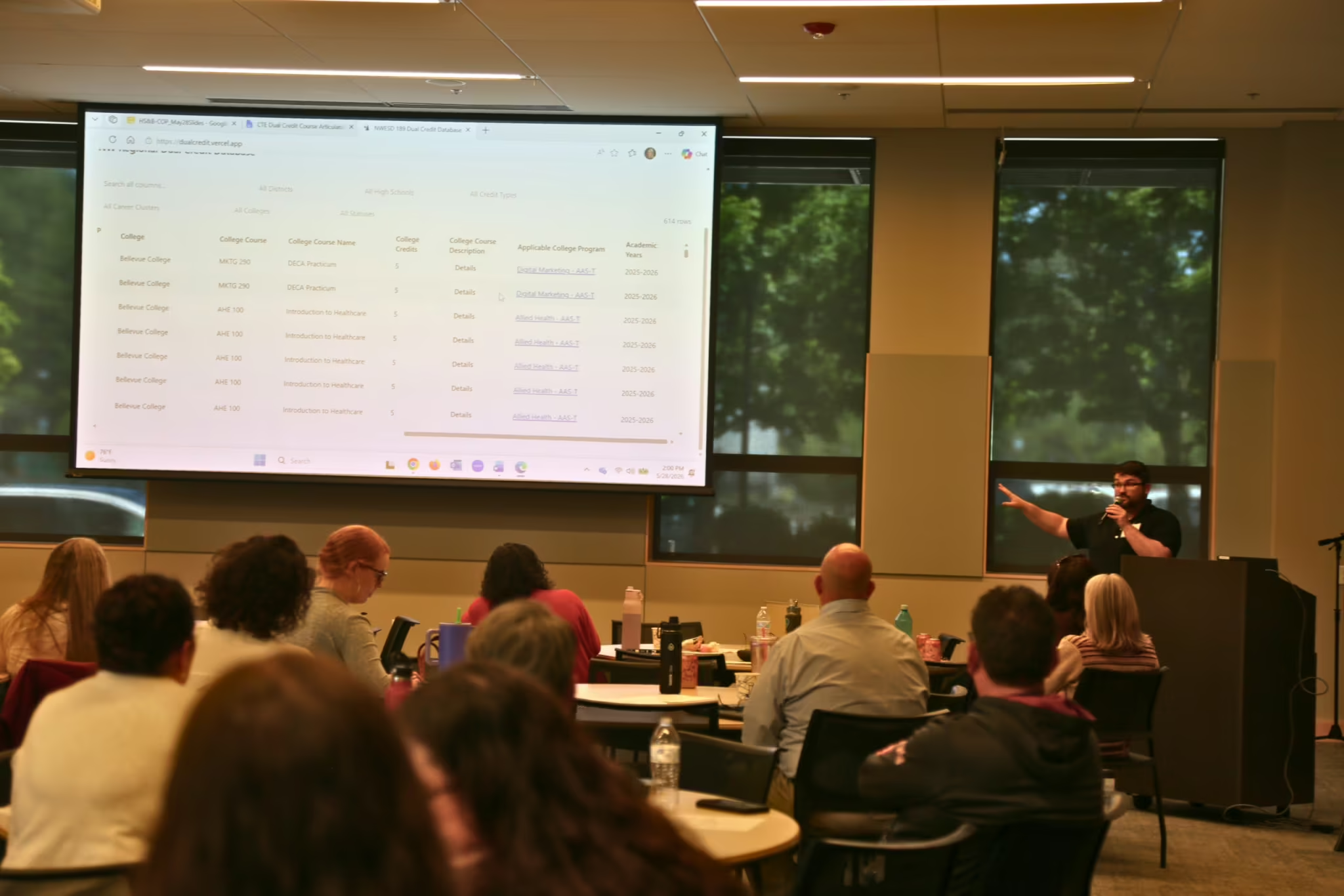
Database Launch: Regional CTE Dual Credit Database is Now Live
Donovan Tate from Career Connect NW hosted at the NWESD 189 presentd the Dual Credit Database at the May 28, 2026, High School & Beyond Community of Practice [...]
Follow CCNW on Facebook, YouTube, and LinkedIn



Contact Us
Career Connect NW Team:
Sinead Fitzpatrick Plagge
Vanessa Woo
Mary Powers
Donovan Tate
Regional CTE Dual Credit Database
Read our latest e-newsletter
Sign up for our e-newsletter
Career Connect NW